Integrated Logistics
Integrated Supply Chain Management
Contract Logistics
Procurement Logistics
Production Logistics
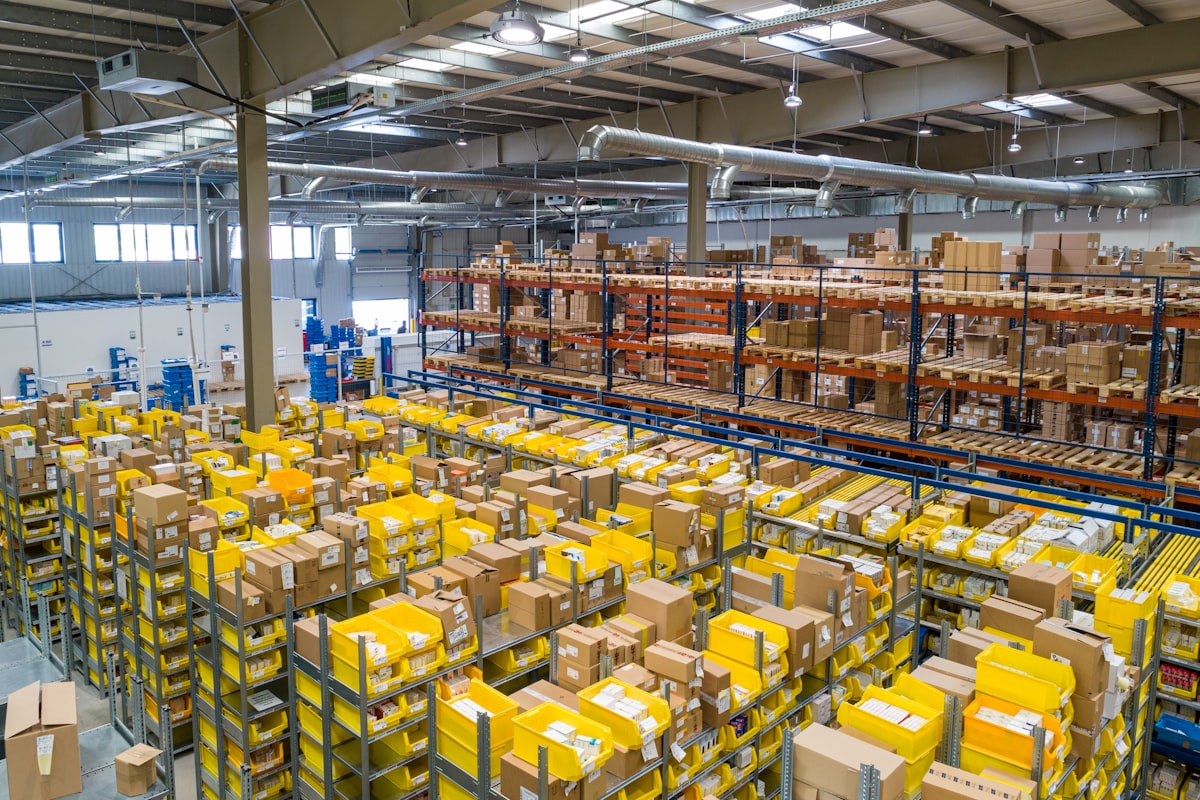
Storage Solutions
Value-Added Services
Distribution Logistics
Spare Parts Logistics
Reverse Logistics
Freight Forwarding
Air Freight Forwarding
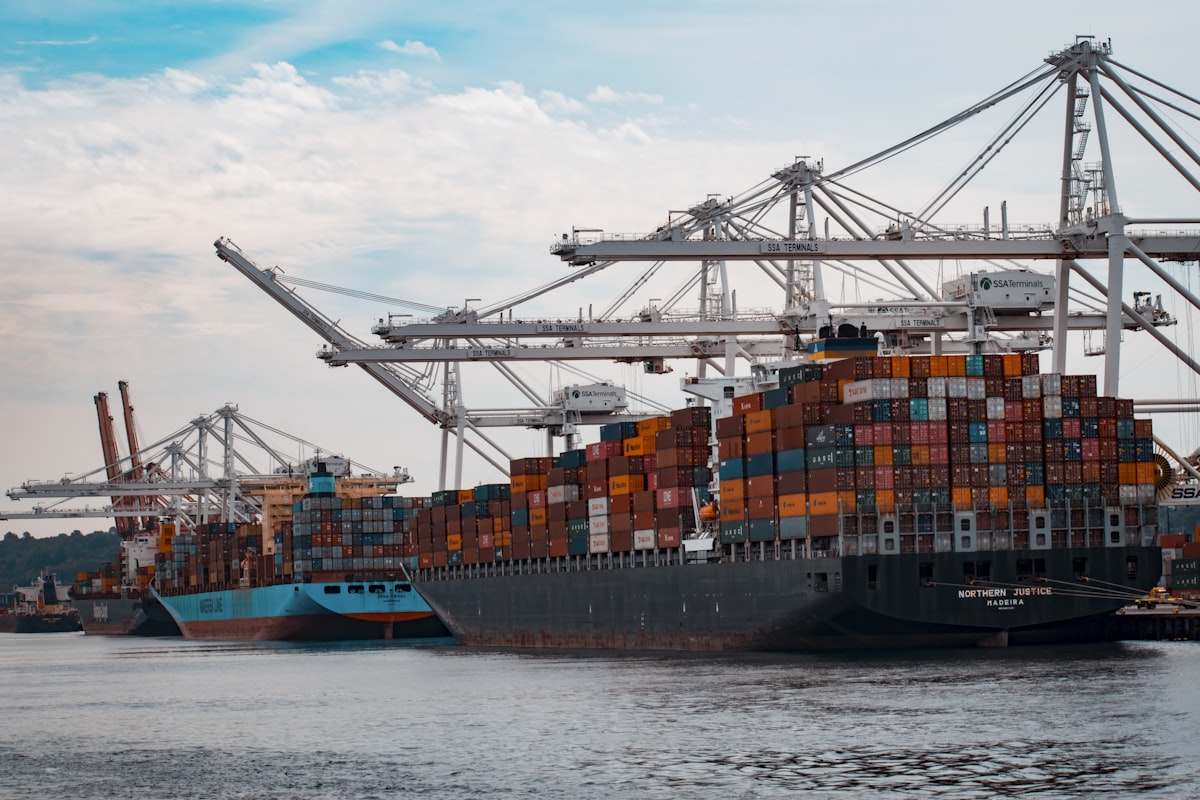
Ocean Freight Forwarding
Customs Brokerage
Sea & Air Transportation
Shipper's Outsourcing (SPO)
Land Transportation
Cross-Border Trucking
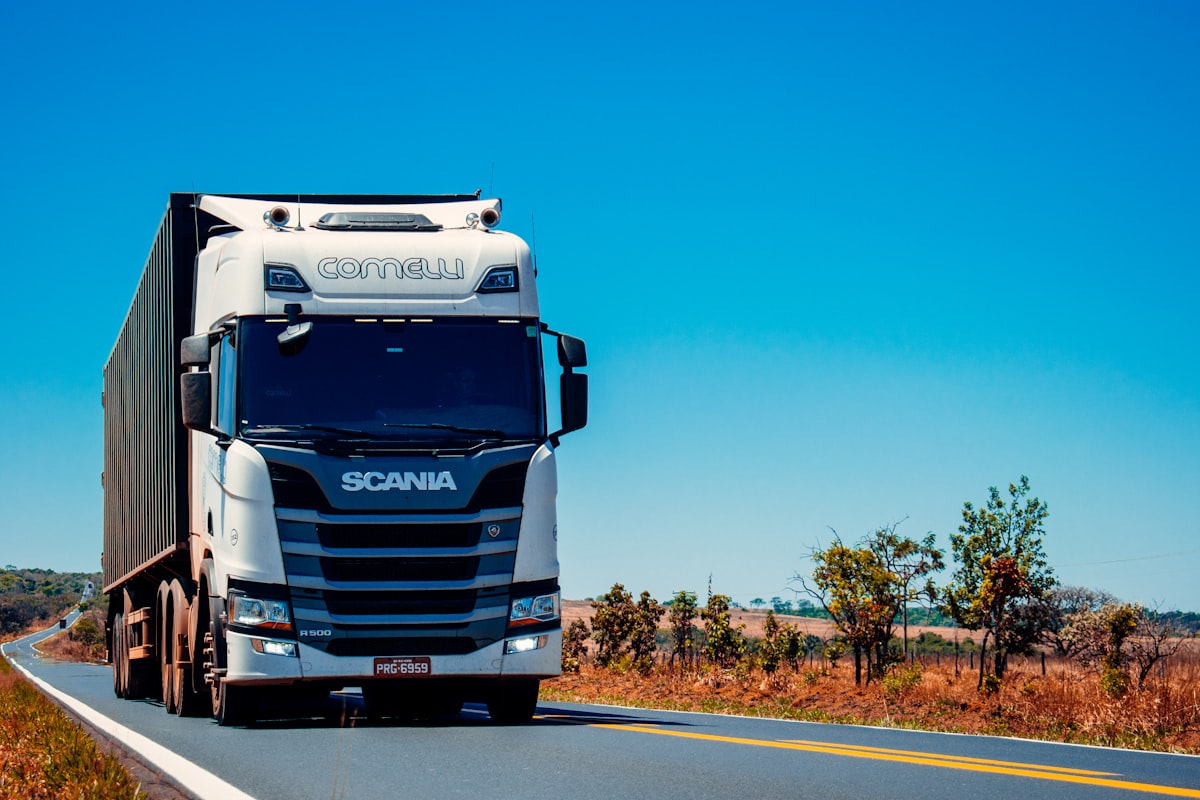
Truck Transportation
Rail Transportation
Milk Run Operations
Pan-European Multimodal
Project Logistics
Heavy Industrial Project Cargo
Relocation Services
Sensitive Equipment Logistics
Events Logistics
- Contact Us
- Track Your Freight

Integrated Logistics
Integrated Supply Chain Management
Contract Logistics
Procurement Logistics
Production Logistics
Storage Solutions
Value-Added Services
Distribution Logistics
Spare Parts Logistics
Reverse Logistics
Freight Forwarding
Air Freight Forwarding
Ocean Freight Forwarding
Customs Brokerage
Sea & Air Transportation
Shipper's Outsourcing (SPO)
Land Transportation
Cross-Border Trucking
Truck Transportation
Rail Transportation
Milk Run Operations
Pan-European Multimodal
Project Logistics
Heavy Industrial Project Cargo
Relocation Services
Sensitive Equipment Logistics
Events Logistics